

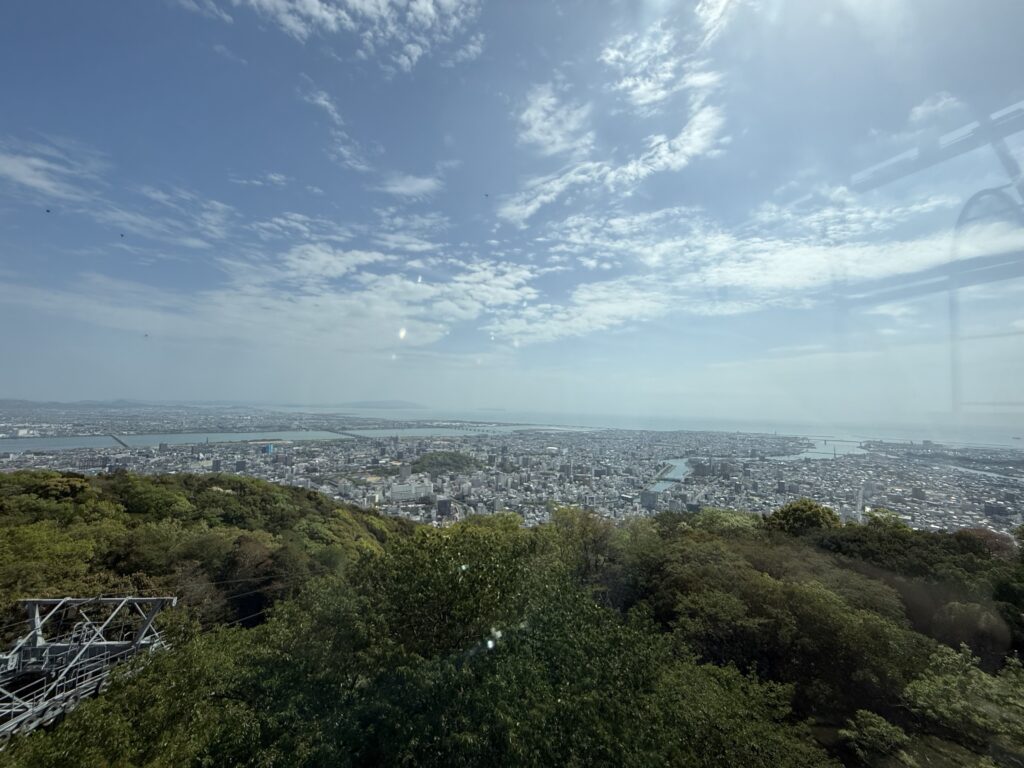
There is a distinct crispness to the Shikoku air in April. It is the kind of weather that invites you to slow down, roll the car windows down just a fraction, and let the scenery unfold at its own pace. When planning an 8-day road trip around this quieter corner of Japan with travelers over sixty, I quickly realized that what mattered wasn’t how many shrines or coastal viewpoints we could cross off in a day. It was whether everyone still had the energy to enjoy dinner together that evening.
A multi-generational road trip lives and dies by where you unpack your bags at night. The architectural layout of a room, the physical distance from the car to the futon, and the subtle textures of hospitality become the silent framework of the entire journey.
Driving through all four prefectures with our ETC card active, I curated a sequence of six stays. They are not an unblemished list of perfect recommendations; rather, they represent a series of honest trade-offs, deeply personal biases, and real behavioral observations from the road.
1. The Transit Anchor: Hotel Sunroute Tokushima (德島縣)
Landing at Takamatsu Airport and immediately adjusting to driving conditions takes a rapid toll on older travelers. For our first night, I completely bypassed local aesthetics and chose **Hotel Sunroute Tokushima** for pure, sterile utility.
Stepping outside the lobby at 8:00 PM felt a bit like entering a ghost town. The surrounding institutional streets quiet down noticeably early, leaving nothing in the way of visual romance or charm. It is, by all definitions, a predictable corporate business hotel.
Yet, I would choose this hotel for one reason only: its flawless functional geography. It sits directly adjacent to the JR station, and the ground floor connects seamlessly to a convenience store. When a traveler in their sixties wakes up at 5:00 AM with their internal clock entirely scrambled by the flight, they shouldn’t have to navigate chilly, unfamiliar streets. They can simply take the elevator down in their slippers to find a hot cup of tea and a light snack. It is a dry, uninspiring stopover, but as a practical buffer to shield a family from immediate fatigue, it does exactly what it needs to do.
2. Deep Valley Solitude: New Iya Hot Spring Kazuraya (德島縣)
Leaving the highway behind, the pavement shrinks as the roads twist into the emerald folds of the Iya Valley. Upon pulling up to New Iya Hot Spring Kazuraya, the first thing that caught my eye wasn’t the dramatic mountain view; it was the punishingly steep incline leading to the entrance. Looking at our large, heavy suitcases, a brief moment of panic hit me—I genuinely wondered whether I had made a terrible mistake bringing older family members up here.
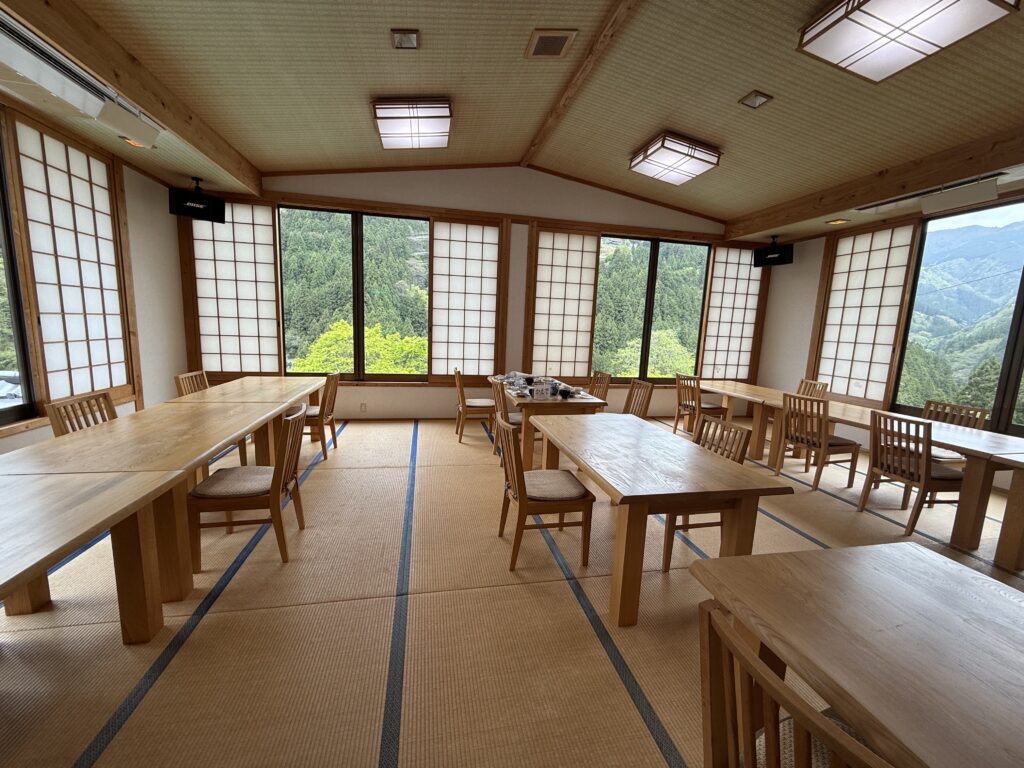
Then, the family who runs this independent ryokan pointed to a small, brilliant detail: a dedicated mechanical luggage hoist. Our bags were loaded onto the lift and whisked up to the lobby while we strolled at an unhurried pace up a flat, barrier-free bypass path. It was a subtle piece of thoughtful design that preserved both physical knees and traveler dignity.
I am incredibly biased toward properties like Kazuraya because the hospitality feels like an honest invitation into a local home rather than a corporate transaction. We split our rooms deliberately: a spacious Main Building Wa-Zen room for the elders, featuring low Western beds so they wouldn’t have to struggle rising from traditional tatami mats in the dark, and a cozy tatami room above the parking area for myself.
The highlight here is entirely atmospheric. Dinner arrived one dish at a time while the valley slowly disappeared behind the mountain mist—local river sweetfish grilled over charcoal and earthy, hand-cut Iya soba noodles. Afterward, walking through the crisp, cool outdoor corridor to reach the open-air bath felt like a complete return to absolute silence.
However, this serene hideaway comes with a heavy caveat. The narrow, winding, single-lane mountain routes leading into the gorge require immense patience. If anyone in your group is prone to severe motion sickness, the physical toll of the drive might make you hesitate before booking.
3. Design Versus Chaos: OMO7 Kochi by Hoshino Resorts (高知縣)
If the Iya Valley is a quiet whisper, OMO7 Kochi is a vibrant, neon festival. As Hoshino Resorts’ premium urban tier, the physical property is undeniably a triumph of contemporary graphic design, celebrating Kochi’s spirited *Matsuri* (festival) culture through bold timbers and open communal lounges.
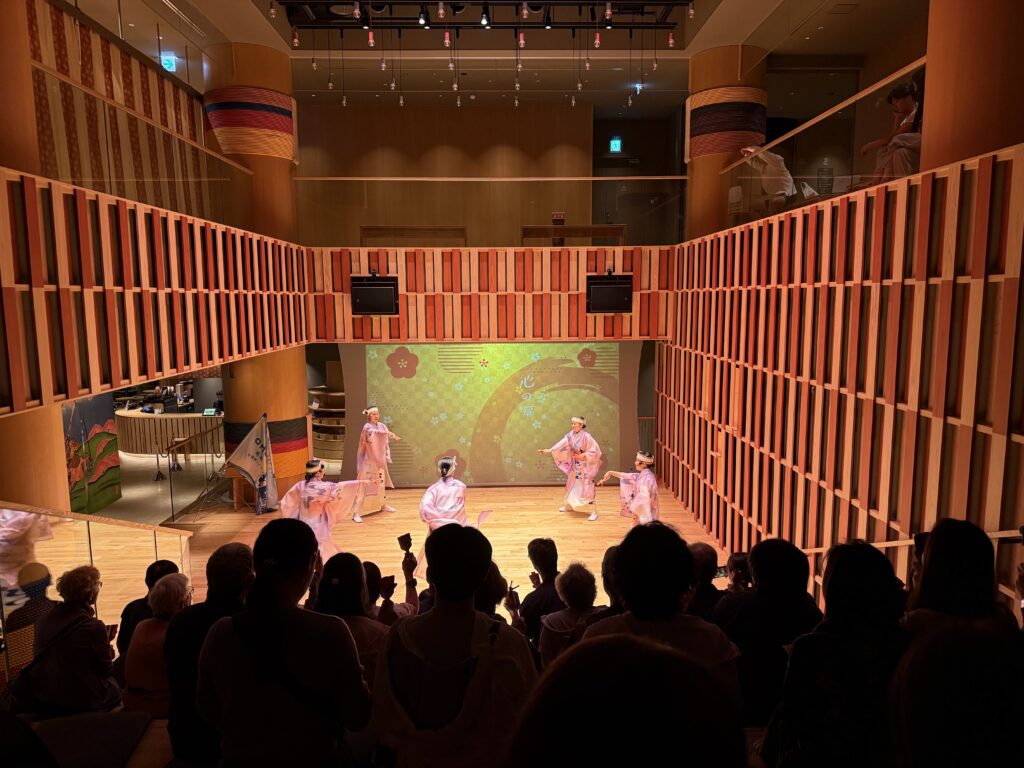
There is a brilliant energy to the evening here. Guests gather around the open kitchen to watch the dramatic flair of live straw-seared bonito (*Katsuo no Tataki*) performances, where giant flames char the fish right before your eyes. I had serious reservations about the 9:00 PM *Yosakoi* dance performance in the lobby, assuming the loud drums would irritate a tired mind. Yet, the behavioral response of the room was fascinating—the infectious rhythm actually had the senior members of our group wide awake, smiling from the front row.
Where OMO7 loses me, however, is in its artificial hospitality. The digital-first, self-guided service structure feels clinical, almost dismissive of older generations. The guest room was visually beautiful, but it was littered with so many over-designed, hyper-stylized brochures and QR codes that finding basic, critical information—like how to adjust the room temperature or turn on the humidifier—felt like solving an unnecessary design puzzle.
If you are traveling with seniors who prefer traditional, proactive, one-on-one Japanese innkeeper care, this smartphone-centric model will feel entirely too cold. But if your priority is a sleek, modern aesthetic within walking distance of the culinary chaos of Hirome Market, it remains the most comfortable choice in the city.
4. Imperial Heritage: Dogo Onsen Funaya (愛媛縣)
Moving westward to Ehime, **Funaya** is the living history of Dogo Onsen, boasting over three centuries of heritage. Walking down its corridors, you pass quiet, archival black-and-white photographs detailing the historic visit of the Taisho Emperor in 1921. Knowing you are moving through spaces maintained to royal standards instantly sets a tone of immense respect.
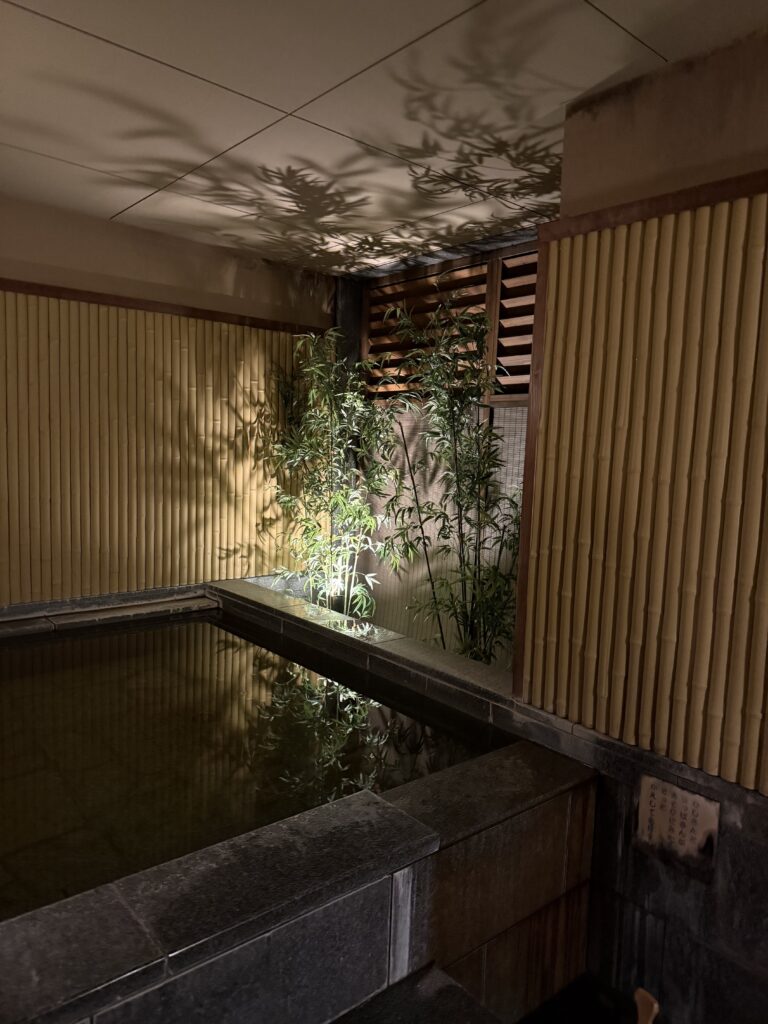
Let me be clear: the room rates here will certainly clear your wallet, and if you look closely, certain corners of the older corridors show their physical age. This is not a polished, hyper-modern luxury hotel. But I invested in the massive 4-Bed Grand Guest Room, and the historical texture justified every yen. Premium sliding wooden doors (Fusuma) can be closed to instantly divide the space into two completely private sleeping quarters, solving the cross-generational privacy dilemma perfectly. The room even features a quiet literary study (Shosai) nook and a private indoor tub crafted from aromatic Hinoki wood.
To protect older family members from the noise of crowded public dining rooms, we opted for half-board where dinner was served in a private room quietly tucked next to the 7th-floor guest rooms. Savoring kaiseki at our own pace, then taking a flat, effortless 2-minute stroll to the main Dogo arcade in our yukatas, felt like the ultimate expression of traditional hospitality.
If Funaya is the one place on this list you are considering to treat your family, I highly recommend reserving early. The four-bed grand family rooms are highly limited, and they tend to disappear from booking platforms long before peak travel periods arrive.
5. The Tactile Sanctuary: Kotohira Onsen Onyado Shikishima-kan (香川縣)
Located along the bustling approach to Konpira Shrine, Onyado Shikishima-kan hides a hyper-modern luxury beneath its traditional timber storefront.
The genius of this Kyoritsu Resort property is entirely tactile and sensory. It is a completely shoes-off environment; you lock your footwear at the front entrance, and for the rest of your stay, your feet touch nothing but immaculate tatami and wooden floors equipped with an incredibly soothing underfloor heating system. For feet that are weary from travel, walking on heated floors is pure physical therapy. It does, however, take older travelers a few minutes to overcome the initial self-consciousness of walking completely barefoot in a public lobby.
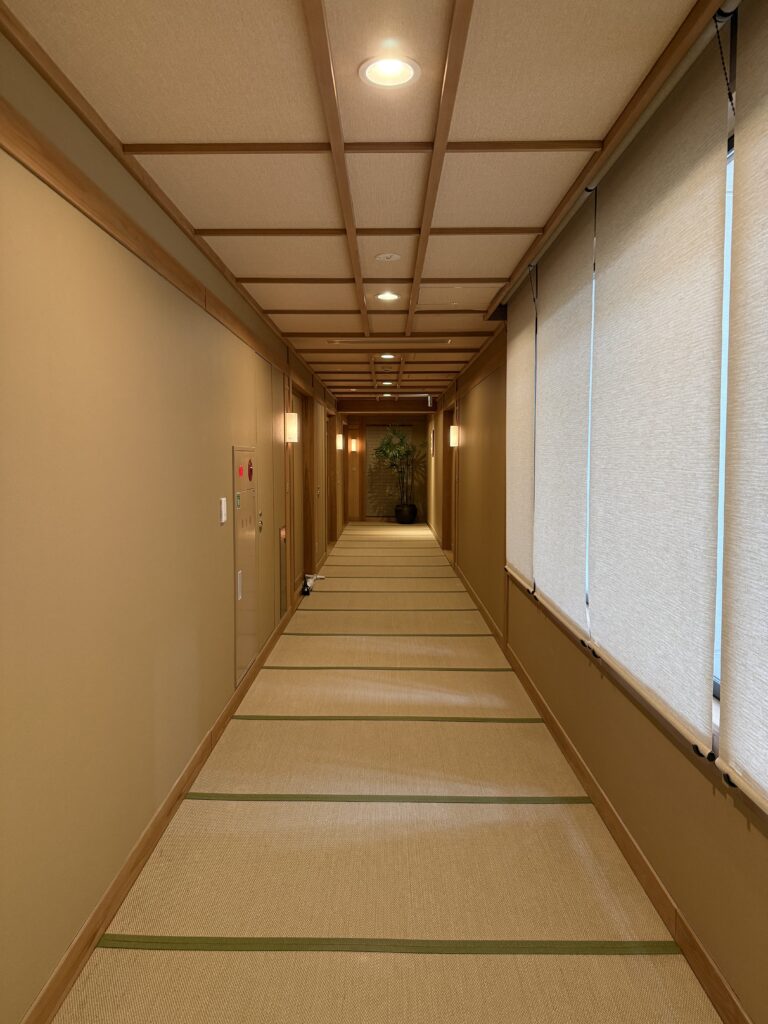
While our room was comfortable, the real sanctuary lies in the row of four private rental hot spring baths (Private Onsen). They are completely free, require no reservation, and operate 24 hours a day via a simple light-indicator system in the hallway. Most private baths in Japan are claustrophobic, but these were so incredibly spacious that our family could lounge without feeling crowded. Combined with a dinner featuring beautifully marbled Wagyu beef and complimentary evening ice pops in the lounge, it is the ultimate recovery station after tackling the shrine steps.
If your itinerary involves the physical exertion of climbing Kotohira-gu, I would choose this property without hesitation for its foot-centric therapeutic design. However, it is a highly standardized, corporate-managed property; if you find a strict shoe-free policy inconvenient or prefer small-scale artisan inns, the corporate rhythm here might make you hesitate.
6. The Local Living Narrative: BnB “Umbaku” (高松茜町)
For the final two nights of the journey, as we prepared for a day-trip to Naoshima, we shifted away from hotels entirely and checked into Umbaku (雲白), a beautifully curated two-story private villa tucked into the quiet residential neighborhood of Akanecho.
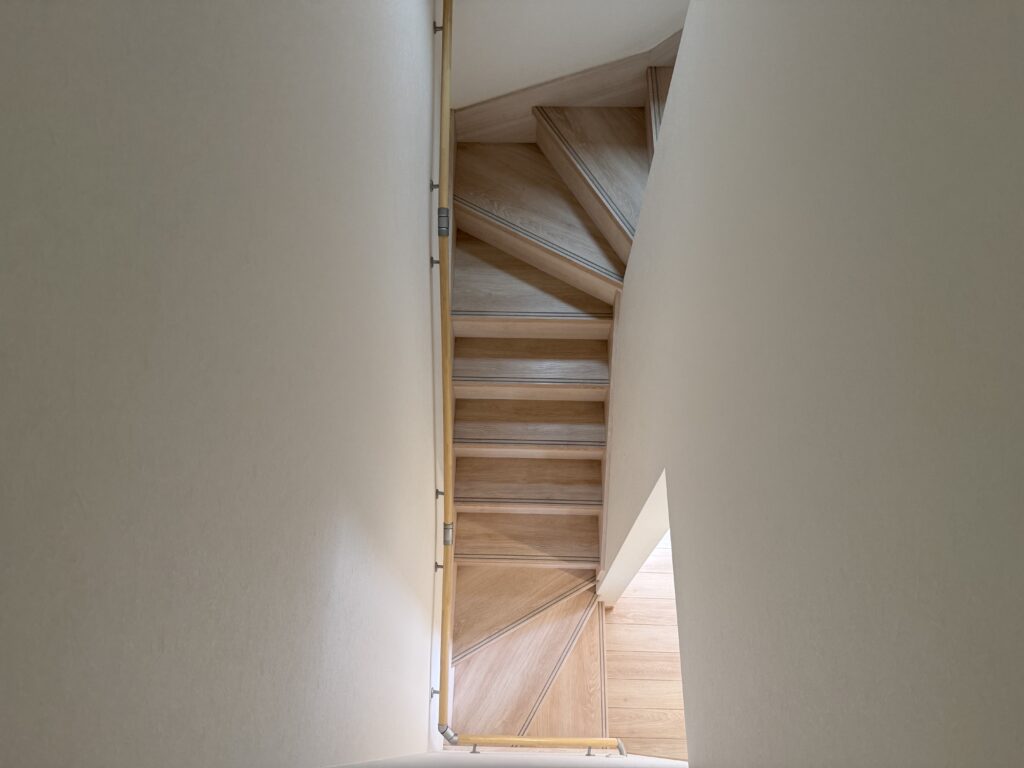
The villa is perfectly positioned right next to its private garage space, meaning we could transition from the car to the house without dragging luggage down public sidewalks, ensuring we didn’t disturb the quiet Japanese neighbors. The layout is exceptionally smart: all three bedrooms (housing six beds) are on the upper floor, leaving the ground floor open as a massive living pavilion with a kitchen and a traditional tatami room. This tatami room became our designated “packing zone,” offering ample floor space to comfortably lay open all our large suitcases before the flight home. Crucially for older parents, both floors feature their own toilets, eliminating midnight stair navigation.
Yet, the most memorable part of Umbaku wasn’t the villa itself; it was the five-minute walk along the river to **Akane Onsen (茜温泉)** after dark. Skipping the modern shower downstairs, we took the villa’s white towels and entered this classic, nostalgic neighborhood public bathhouse. Sitting in the rising steam alongside local elderly residents, listening to their quiet neighborhood murmurs, felt like slipping into the actual rhythm of Takamatsu.
My only real anxiety remained structural: even though both floors have toilets, the bedrooms are still upstairs. Watching older family members ascend those wooden steps at the end of a long day—no matter how sturdy the staircase—kept me sleeping with one ear open.
I would choose Umbaku if your group craves vast personal space, the convenience of a kitchen, and the poetic experience of living like a local storyteller. But it will make you hesitate if you require on-site hotel amenities, daily housekeeping, or if anyone in your group has severe mobility issues that make staircases an absolute barrier.
🚗 The Driver’s Flow Tip:
Aside from the pedestrian ferry crossing to Naoshima, this entire 8-day loop is designed around the ease of the automobile. When renting your car at Takamatsu Airport, ensure you request a physical ETC card. Paying for tolls electronically as you breeze through the gates ensures your group never has to experience abrupt stops or sudden lurches at manual toll booths, keeping the physical flow of the journey perfectly fluid.
In Shikoku, the true scenery isn’t just the ancient temples or the wild, untamed coastlines; it is the look of complete peace on your family’s faces when they settle into a room that feels like it was built just for them. If you are ready to gift your family a journey that moves at its own beautiful, unhurried pace, consider securing these gentle, hidden sanctuaries 3 to 6 months in advance.

Leave a Reply